
What Real System Integration Looks Like Inside Your Sales Organization
Most sales leaders don’t have a knowledge problem.
They have a usage problem.
They’ve trained on every program under the sun, they’ve run the workshops, handed out PDFs, and uploaded decks to the CRM.
And yet…Ghosted deals pile up, forecasts are still shaky, and calendars mysteriously empty two weeks out. This is a system problem, and no amount of sales “magic” will fix broken processes within your system.
The Hard Truth: Training Isn’t the Differentiator
For years, sales organizations have treated performance gaps as coaching gaps:
- “We need better questions.”
- “We need tighter discovery.”
- “We need better objection handling.”
Those things DO matter, but they’re the last 10% of the equation.
Deals are won or lost in process failure, not personality gaps:
- No clear next meeting dates
- No verified buying process
- No confirmed decision team
- No agreed upon timeline
- No calendar discipline
Coaching can’t fix a system that doesn’t exist.
Why Sales Playbooks Go Unused
Let’s be honest about why most sales playbooks die:
- They live outside the flow of work
- They require sellers to remember instead of execute
- They aren’t score‑boarded
- They aren’t enforced mechanically
- They rely on motivation instead of structure
Salespeople don’t “forget” to use playbooks.
They don’t have a system to drive usage.
That’s the core insight behind our Sales Operating System: BZSOS
It’s common sense, organized ,and structured so that it actually gets used!
What System Integration Actually Means (Not the Buzzword Version)
Integration isn’t “rolling out a framework.”
Integration means salespeople don’t have to think about what to do next.
A real system answers questions like:
- What should my calendar look like two weeks from now?
- What exactly do I do when a deal stalls?
- How do we clean the pipeline? Every time, the same way?
- How do we inspect deals without turning pipeline reviews into therapy sessions?
When integrated properly, the system becomes “just how we do sales here.”
No nagging.
No heroics.
No motivational speeches.
Just execution.
Tool #1: Calendar Inspection Where Reality Shows Up
Ask a salesperson how busy they are and you’ll hear:
“Crazy.”
“Slammed.”
“Packed.”
Then open their calendar two weeks out.
That’s where the truth lives.
Calendar Inspection works like this:
- Look exactly two weeks ahead
- Scan the next seven days
- Count only accepted calendar invites (green checkmarks)
- Ignore intentions, follow‑ups, and “supposed to hear back”
Most teams discover something uncomfortable: The future calendar is empty.
It could be laziness, but more often than not, it’s the lack of a system that explains this.
Once you define the math:
- X new logo meetings
- Y in‑process meetings
- Z connector or referral conversations
you stop managing emotions and start managing numbers.
If the math’s off?
You don’t yell.
You pull the next tool.
“There’s a tool for that.”
That’s integration.
Tool #2: Deal Inspection — Turning Fluff into To‑Dos
Most pipeline reviews sound productive…and accomplish nothing.
They’re filled with what Bryan calls “think believes”:
- “I think they’re good.”
- “Not that I know of.”
- “We should hear back soon.”
- “They said after Labor Day.”
It sounds confident.
It means nothing.
Deal Inspection changes the outcome.
Its only purpose: produce a to‑do list.
No evaluation.
No coaching soapbox.
No judgment.
Just facts.
Every deal is inspected across four areas:
- Motive
- Money
- Process
- Calendar clarity
You go three levels past the first answer until reality shows up.
“I don’t know” becomes a win, because now there’s a next action:
- Verify who signs
- Confirm board approval
- Ask about competitive options
- Set a real clear future date
Salespeople stop hiding. Forecasts stop lying. Deals move or die faster and clearer than ever before.
That’s freedom.
Discipline Is the Shortcut (Even If It Feels Like Micromanagement)
To leaders, systems can feel restrictive. To modern sellers, they’re reassuring.
Millennials and Gen Z sellers want:
- Clarity
- Predictability
- Step‑by‑step execution
- A defined way to win
A Sales Operating System becomes:
- A recruiting advantage
- A retention tool
- A stress reducer
- A performance multiplier
And no, it’s not micromanagement.
It removes the need for it entirely.
The Real Reason This Works
This isn’t about brilliance.
It’s about mechanics.
When you:
- Schedule pipeline cleanup at the same time every month
- Inspect calendars instead of asking “how’s it going?”
- Use tools instead of urgency
- Replace coaching with execution frameworks
You stop chasing outcomes.
You engineer them.
Final Thought
Sales playbooks don’t fail because they’re wrong.
They fail because they’re optional.
A system makes execution unavoidable.
When sales execution becomes systemized:
- Freedom increases
- Stress drops
- Deals move
- Forecasts stabilize
- Leadership gets quieter
And quiet leadership is usually a sign the system is working.
If you’re tired of reminding, motivating, and nagging,
You don’t need another playbook.
You need an operating system. If you want to see what that looks like for your business, we’d love to talk: https://blind-zebra.com/contact


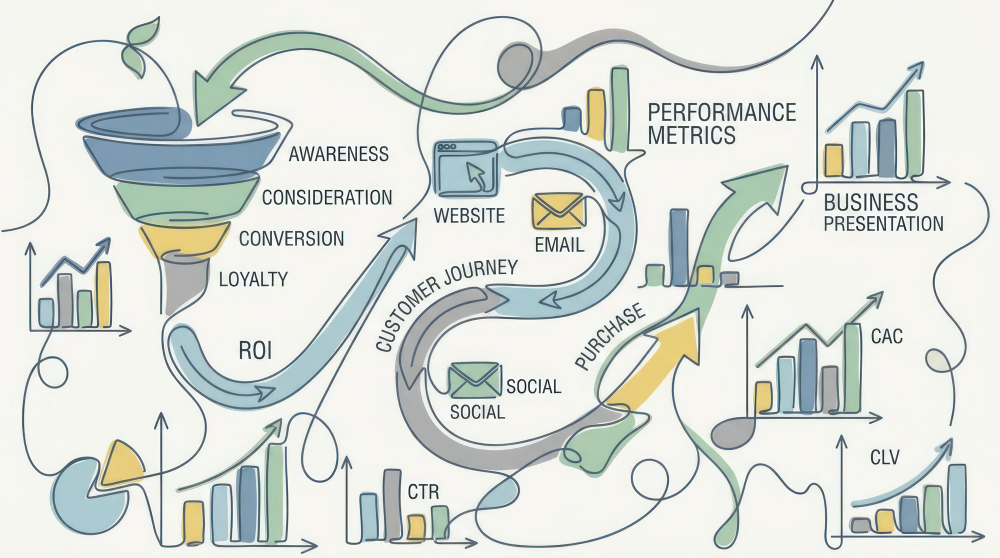


Align every step for every rep

